bmw555 Gambling Glossary of Terms
bmw555 Gambling Glossary of Terms: Navigating the Casino Landscape
Welcome to the comprehensive bmw555 Gambling Glossary of Terms, your essential guide to understanding the intricate world of online casino gaming. Whether you're a seasoned player in the Philippines or a curious newcomer, grasping the terminology used in gambling can significantly enhance your experience and strategic decision-making. This article aims to demystify the jargon, offering clear explanations of common and specialized terms across various casino games. We will compare and contrast different concepts, helping you distinguish between similar-sounding terms and providing the knowledge you need to navigate the exciting, fast-paced environment of online gambling with confidence. Our goal is to empower you to make informed choices, understand game mechanics better, and ultimately, enjoy a more rewarding gaming journey. Get ready to level up your gambling vocabulary and become a more astute player with bmw555!
Table of Contents
- Understanding Core Gambling Concepts
- Casino Game Specific Terminology: A Comparison
- Betting Types and Strategies: What's the Difference?
- Mobile vs. Desktop Gaming: Terminological Nuances
- Promotions and Bonuses: Decoding the Offers
- Player Behavior and Responsible Gaming Terms
Understanding Core Gambling Concepts
To truly excel in the world of online gambling, especially on platforms like bmw555, it's crucial to first grasp the fundamental concepts that underpin all casino games. These terms form the bedrock of understanding how games operate, how bets are placed, and what outcomes to expect. Let's delve into some core concepts and distinguish between them.
House Edge vs. RTP (Return to Player)
The House Edge is a statistical advantage that the casino has over players in any given game. It's expressed as a percentage and represents the average gross profit the casino expects to make from each bet placed. For example, a game with a 2% house edge means that, on average, for every ₱100 wagered, the casino expects to keep ₱2 over the long run. Understanding the house edge is vital because it directly impacts your long-term profitability.
Conversely, RTP (Return to Player) is the theoretical percentage of all wagered money that a slot machine or casino game will pay back to players over time. If a slot game has an RTP of 96%, it means that for every ₱100 wagered, the game is expected to return ₱96 to players as winnings over millions of spins. Essentially, RTP is the inverse of the house edge (RTP = 100% - House Edge). Players often prefer games with higher RTPs as they offer a better chance of winning back a larger portion of their wagers.
Volatility vs. Hit Frequency
These terms are particularly relevant in slot games. Volatility (or Variance) refers to the risk level associated with a particular slot game. High volatility slots offer less frequent but larger payouts, meaning you might experience longer dry spells without wins, but when you do win, the payouts can be substantial. Low volatility slots, on the other hand, provide more frequent but smaller wins, offering a more consistent but less dramatic gaming experience. Your bankroll and risk tolerance should guide your choice between high and low volatility games.
Hit Frequency, sometimes called hit rate, indicates how often a slot machine will land a winning combination. For example, a hit frequency of 25% means that, on average, one out of every four spins will result in a win. It's important to note that hit frequency doesn't tell you the size of the win, only its occurrence. A game can have a high hit frequency but mostly pay out small amounts, or a low hit frequency with the potential for massive jackpots. Understanding both volatility and hit frequency helps players manage their expectations and choose games that align with their preferred playing style.
Casino Game Specific Terminology: A Comparison
Each casino game comes with its own unique set of terms. Knowing these specific definitions will help you navigate the rules and strategies more effectively, whether you're playing at a land-based casino or through a bmw555 mobile template.
Blackjack: Hit vs. Stand
In Blackjack, two of the most fundamental decisions a player makes are to Hit or to Stand. When you Hit, you request an additional card from the dealer in an attempt to get closer to a total of 21 without exceeding it (busting). This is a move you'd typically make if your hand total is low and you believe another card won't push you over 21. Conversely, to Stand means to decline any further cards and keep your current hand total. Players usually stand when they have a strong hand (e.g., 17 or higher) and fear that taking another card would lead to a bust. The choice between hitting and standing is central to Blackjack strategy.
Roulette: Inside Bets vs. Outside Bets
Roulette offers a wide array of betting options, broadly categorized into Inside Bets and Outside Bets. Inside Bets are placed on the numbered grid of the roulette table, covering individual numbers or small groups of numbers (e.g., a single number, a split bet on two numbers, a street bet on three numbers). These bets typically have higher payouts but lower odds of winning. For example, betting on a single number pays 35:1.
Outside Bets are placed on the boxes surrounding the numbered grid, covering larger groups of numbers or characteristics of the numbers (e.g., Red/Black, Odd/Even, High/Low, Dozens, Columns). These bets have lower payouts (usually 1:1 or 2:1) but significantly higher odds of winning, making them less risky. Choosing between inside and outside bets depends on your risk appetite and desired payout potential.
Slots: Wilds vs. Scatters
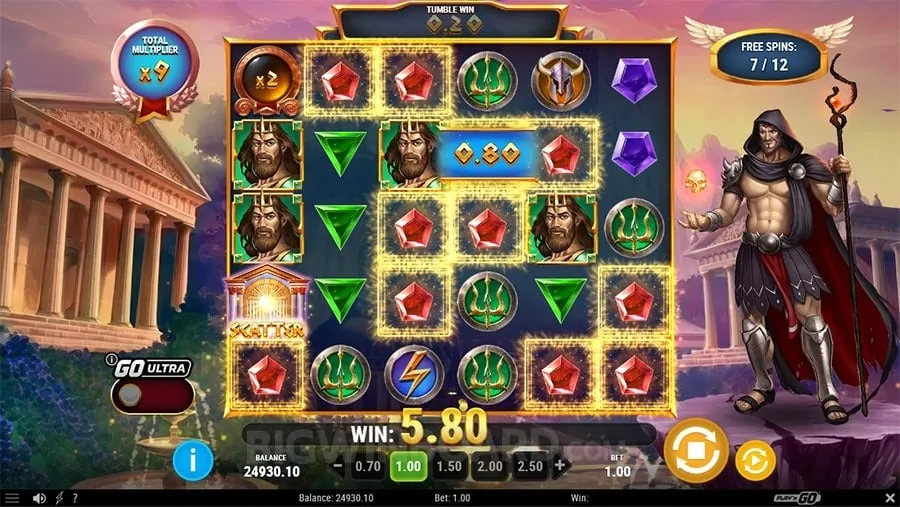
In the vibrant world of online slots, Wilds and Scatters are two special symbols that can dramatically influence gameplay and payouts. A Wild symbol acts as a substitute for most other symbols on the reels (usually excluding scatters and bonus symbols) to help form winning combinations. Think of it as a joker in a deck of cards. Some wilds come with multipliers, increasing the payout of any win they are part of.
A Scatter symbol, on the other hand, typically triggers bonus features like free spins, mini-games, or bonus rounds, regardless of its position on the paylines. Unlike regular symbols, scatters don't need to land on adjacent reels or specific paylines to activate their effect; usually, three or more scatters anywhere on the screen are enough. Understanding the power of wilds and scatters is key to maximizing your winnings in slot games.
Betting Types and Strategies: What's the Difference?
Understanding different betting types and employing effective strategies are crucial for a successful gambling experience on platforms like bmw555. While betting types define how you place your wagers, strategies dictate your overall approach to the game.
Fixed Odds Betting vs. Exchange Betting
Fixed Odds Betting is the most common form of wagering, where the odds offered by a bookmaker (or casino) are set at the time you place your bet. Once you place the bet, your potential payout is locked in, regardless of how the odds might change later. This provides certainty regarding your potential returns. Most traditional sports betting and casino games operate on a fixed odds model.
Exchange Betting